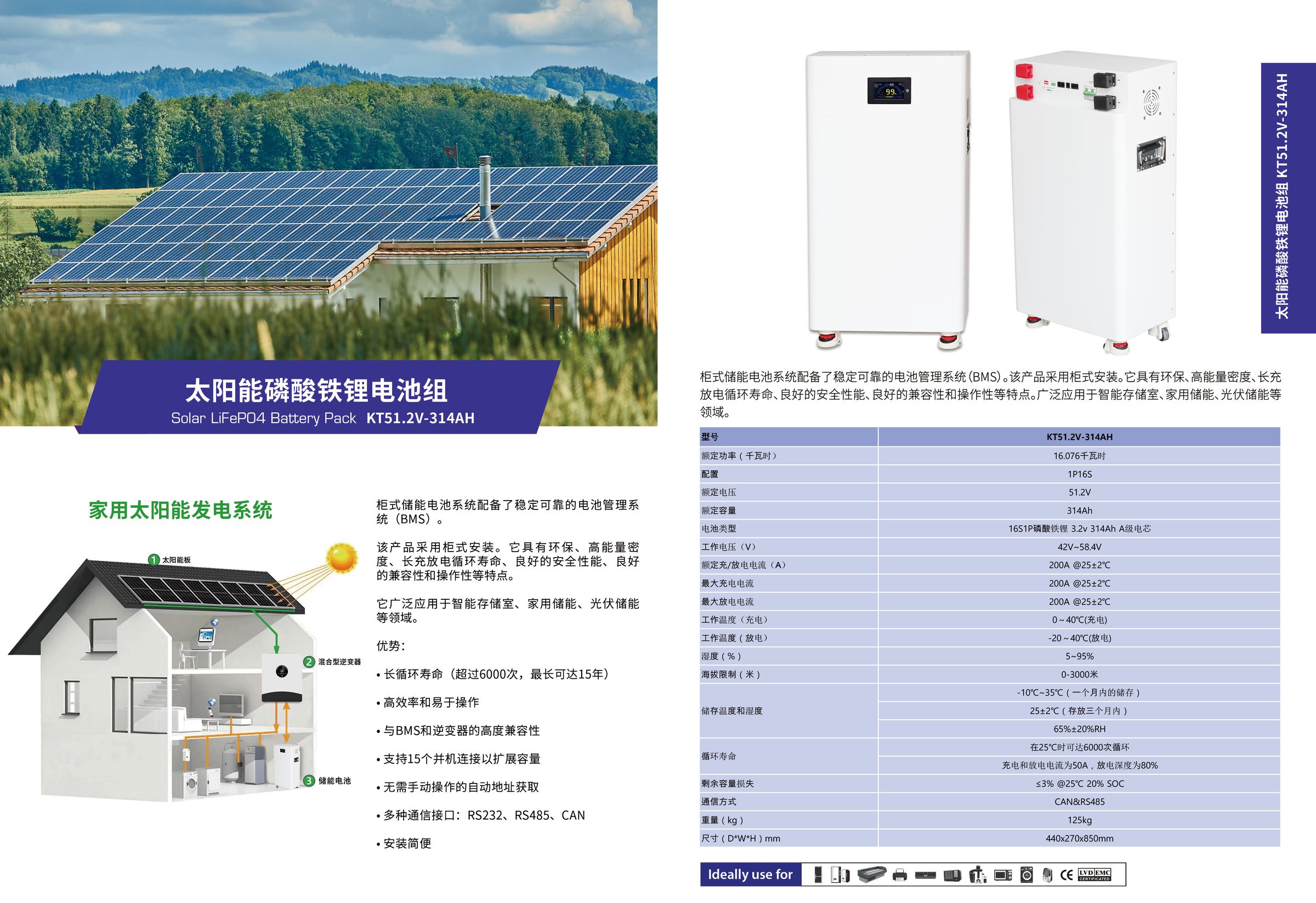
01 / Direct answer51.2 V × 314 Ah calculates to 16.0768 kWh of nominal energy.
The calculation is voltage multiplied by amp-hours: 51.2 V × 314 Ah = 16,076.8 Wh, or 16.0768 kWh. The value is normally rounded to 16.08 kWh. This is nameplate energy, not a promise that every kilowatt-hour can be delivered to AC loads.
Nominal energy
16.0768 kWh, commonly shown as 16.08 kWh
Estimate runtime from the load, then allow for operating limits and losses.
Theoretical runtime in hours equals nominal battery energy divided by the average load in kilowatts. Before allowances, 16.0768 kWh corresponds to about 16.08 hours at 1 kW, 8.04 hours at 2 kW, or 3.22 hours at 5 kW.
Actual runtime is lower because usable depth of discharge, inverter efficiency, standby consumption, temperature, ageing, cable losses and reserve settings reduce the energy delivered to appliances.
1 kW average load
About 16.08 theoretical hours before losses and reserve
2 kW average load
About 8.04 theoretical hours before losses and reserve
5 kW average load
About 3.22 theoretical hours before losses and reserve
Match voltage, current and BMS communication—not capacity alone.
A 51.2 V battery is typically evaluated with a compatible 48 V-class low-voltage inverter, but the label alone does not prove compatibility. Confirm the inverter's battery-voltage window, continuous charge and discharge current, surge demand, CAN or RS485 protocol, firmware, cable size and protective devices.
Electrical match
Check the full battery operating-voltage range and inverter DC limits.
Current match
Confirm that the battery and BMS can support the inverter's required continuous and peak DC current.
Communication match
Confirm the exact CAN or RS485 protocol and firmware for both models.
Provide these facts before requesting a battery and inverter match.
A useful project request includes the destination country, phase and AC voltage, exact inverter model, critical-load list, largest motor or compressor, target backup time, solar-array details, installation environment and planned number of parallel batteries.
Load evidence
List running watts, starting surges and expected operating hours.
System evidence
Share the inverter model, PV configuration, grid or generator conditions and protection plan.
Expansion evidence
Confirm parallel limits, addressing, equal cable lengths and commissioning rules in writing.
Product data and related evidence.
Use these public sources to verify the model facts used in this guide. Final order specifications still require written confirmation.