Plan around continuous loads
Base inverter, converter and battery selection on measured equipment demand and the required operating schedule.
SAVYEN coordinates inverter or DC power conversion, LiFePO4 storage, PV, protection, monitoring and optional generator support for unattended loads in weak-grid and off-grid locations.
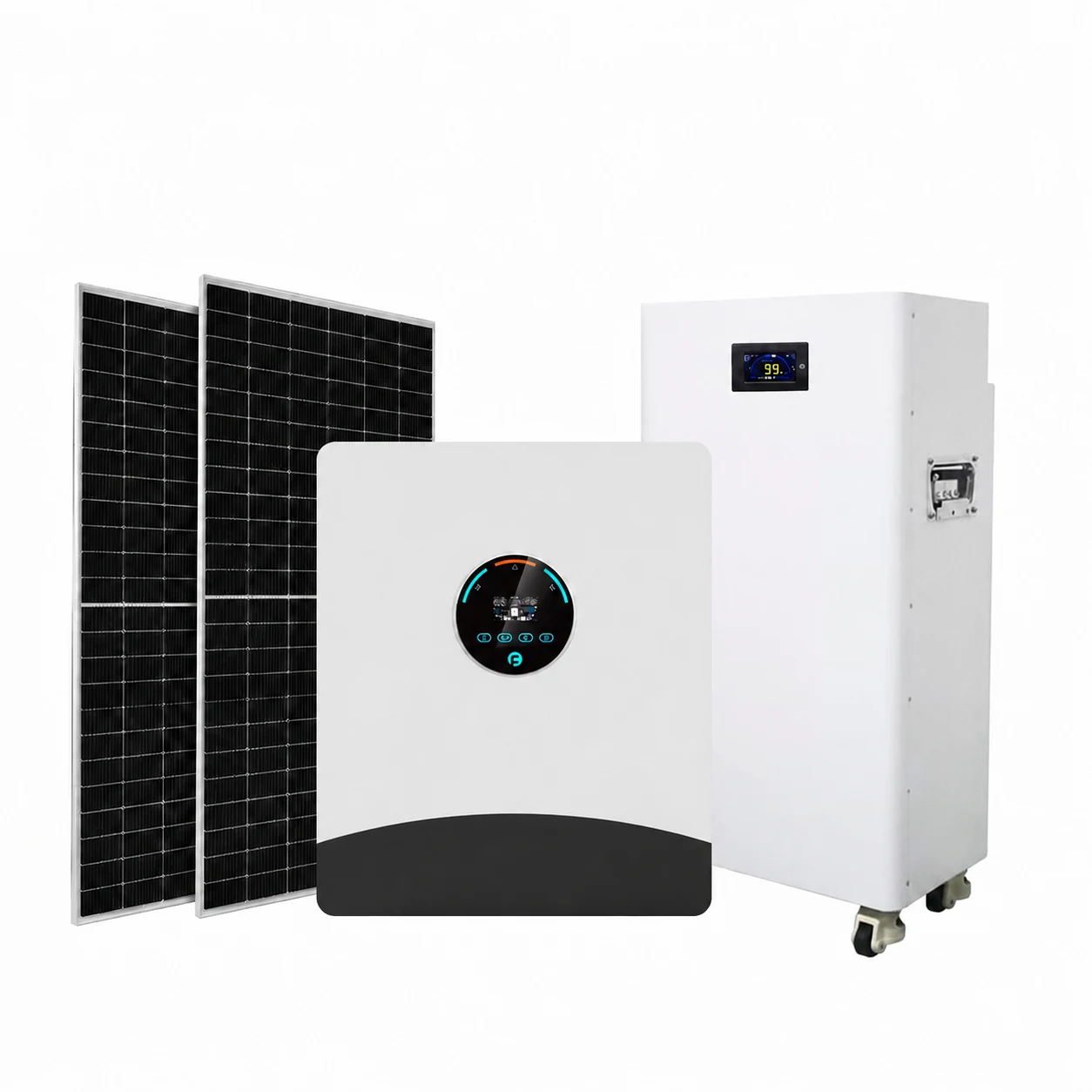 Reference equipment arrangement · final configuration is project-specific
Reliable selection starts with simultaneous load, starting surge, daily energy use and required backup time. Local voltage, phase, grid or generator conditions and the installation environment must also be confirmed.
Base inverter, converter and battery selection on measured equipment demand and the required operating schedule.
Allow for seasonal solar conditions, reserve energy, monitoring and realistic maintenance intervals at remote locations.
Combine solar, storage, weak grid and optional generator input according to the site's uptime objective and operating constraints.
Review local project context, then confirm phase, voltage, frequency, grid behavior, climate, compliance scope and installation responsibility before ordering.
Provide the continuous and peak load, DC or AC voltage, daily operating schedule, required autonomy, site location, available grid or generator input and environmental conditions.
Battery energy is based on the load, required hours without charging, usable depth of discharge, conversion losses, temperature effects, ageing allowance and reserve. Final duration requires project-specific confirmation.
Monitoring options depend on the selected inverter, battery BMS, communications interface and network availability. Required protocols and alarms should be specified before equipment selection.
No. The page describes a planning method. Uptime depends on the confirmed load, solar resource, battery reserve, equipment design, installation, maintenance and backup-source availability.
Include the destination country, phase, voltage, frequency, grid and generator conditions, PV information and estimated quantity.
Request a Proposal →